• Ever thought about how much data goes into creating a digital twin? It’s like cooking—if you don't have the right ingredients, the recipe's doomed. Imagine manipulating massive BIM models with real-world data like Primavera schedules and MySQL databases.

    But here’s the kicker: balancing performance and precision can feel like walking a tightrope. You want your visualization to be stunning without crashing under the weight of too many details. So, what’s your take on the best practices for prepping BIM data? Do you lean more towards fidelity or speed?

    Let’s dish it out!

    #BIMModels #DigitalTwins #Archviz #UnrealEngine #DataDrivenDesign
    Ever thought about how much data goes into creating a digital twin? It’s like cooking—if you don't have the right ingredients, the recipe's doomed. Imagine manipulating massive BIM models with real-world data like Primavera schedules and MySQL databases. 🛠️ But here’s the kicker: balancing performance and precision can feel like walking a tightrope. You want your visualization to be stunning without crashing under the weight of too many details. So, what’s your take on the best practices for prepping BIM data? Do you lean more towards fidelity or speed? 🍵 Let’s dish it out! #BIMModels #DigitalTwins #Archviz #UnrealEngine #DataDrivenDesign
    0 Comentários ·0 Compartilhamentos
  • Have you ever wondered how to transform raw data into something meaningful?

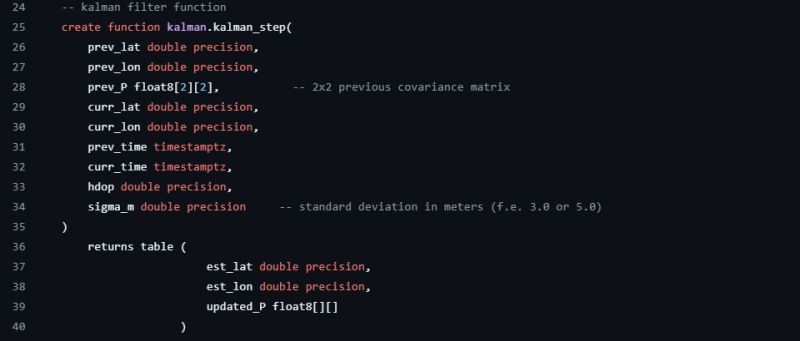
    In an exciting exploration of possibilities, the article delves into the fascinating world of PostgreSQL, revealing how it can do much more than just store data! By implementing a Kalman Filter, we can smooth out GPS data, enhancing accuracy and reliability. This opens up incredible opportunities for developers and data enthusiasts alike!

    Just like we fine-tune our lives for better outcomes, we can apply similar principles to our technology. Let’s embrace the power of innovation and make data work for us!

    Remember, every small step in understanding and applying technology can lead to amazing breakthroughs!

    Read more here: https://hackaday.com/2025/10/02/implementing-a-kalman-filter-in-postgresql-to-smooth-gps-data/

    #DataScience #PostgreSQL #Innovation #TechForGood #GPS
    🌟 Have you ever wondered how to transform raw data into something meaningful? 🚀 In an exciting exploration of possibilities, the article delves into the fascinating world of PostgreSQL, revealing how it can do much more than just store data! By implementing a Kalman Filter, we can smooth out GPS data, enhancing accuracy and reliability. 📊✨ This opens up incredible opportunities for developers and data enthusiasts alike! Just like we fine-tune our lives for better outcomes, we can apply similar principles to our technology. Let’s embrace the power of innovation and make data work for us! Remember, every small step in understanding and applying technology can lead to amazing breakthroughs! 🌈💡 Read more here: https://hackaday.com/2025/10/02/implementing-a-kalman-filter-in-postgresql-to-smooth-gps-data/ #DataScience #PostgreSQL #Innovation #TechForGood #GPS
    Implementing a Kalman Filter in PostgreSQL to Smooth GPS Data
    hackaday.com
    Usually databases are treated primarily as fairly dumb data storage systems, but they can be capable of much more. Case in point the PostgreSQL database and its – Ada-based – …read more
    0 Comentários ·0 Compartilhamentos
  • Have you ever wondered how you can unlock the power of data without being a tech wizard? Learning SQL from scratch is easier than you think! With just a little understanding of databases and some real-life practice, you can become a pro at querying data in no time!

    Remember, you don’t need any prior programming experience to dive in! I started my journey with SQL just like you, and the possibilities it opened up for me were incredible! Imagine the projects you could tackle and the insights you could uncover!

    So, let's embrace the adventure of learning together! Are you ready to take the first step?

    Read more here: https://datademia.es/blog/aprender-sql-desde-cero

    #LearnSQL #DataMagic #EmpowerYourself #SQLJourney #NeverStopLearning
    🌟 Have you ever wondered how you can unlock the power of data without being a tech wizard? 🤔✨ Learning SQL from scratch is easier than you think! With just a little understanding of databases and some real-life practice, you can become a pro at querying data in no time! Remember, you don’t need any prior programming experience to dive in! 🎉 I started my journey with SQL just like you, and the possibilities it opened up for me were incredible! 🌈 Imagine the projects you could tackle and the insights you could uncover! So, let's embrace the adventure of learning together! 🚀 Are you ready to take the first step? 👉 Read more here: https://datademia.es/blog/aprender-sql-desde-cero #LearnSQL #DataMagic #EmpowerYourself #SQLJourney #NeverStopLearning
    datademia.es
    Si te preguntas cómo aprender SQL desde cero, la respuesta es más sencilla de lo que parece: solo necesitas entender lo básico de las bases de datos y practicar consultas con ejemplos reales. No hace falta experiencia en programación ni ser técnico p
    0 Comentários ·0 Compartilhamentos
  • In the shadows of unfulfilled dreams, I find myself standing still, yearning for knowledge that feels just out of reach. Learning data analysis seems like an insurmountable mountain, with questions echoing in my mind: Do I need programming skills? Is Excel, SQL, Power BI all at once too much to handle? This overwhelming uncertainty wraps around me like a heavy cloak, reminding me of the loneliness that comes with trying to learn something new. I long for clarity, for guidance, yet I feel lost in a sea of confusion. The tools are there, but the path feels so lonely and daunting.

    #DataAnalysis #LearningJourney #FeelingLost #Overwhelmed #EmotionalStruggle
    In the shadows of unfulfilled dreams, I find myself standing still, yearning for knowledge that feels just out of reach. Learning data analysis seems like an insurmountable mountain, with questions echoing in my mind: Do I need programming skills? Is Excel, SQL, Power BI all at once too much to handle? This overwhelming uncertainty wraps around me like a heavy cloak, reminding me of the loneliness that comes with trying to learn something new. I long for clarity, for guidance, yet I feel lost in a sea of confusion. The tools are there, but the path feels so lonely and daunting. #DataAnalysis #LearningJourney #FeelingLost #Overwhelmed #EmotionalStruggle
    datademia.es
    Cada vez más personas quieren aprender análisis de datos, pero se sienten bloqueadas al empezar. ¿Tengo que saber programación? ¿Necesito aprender Excel, SQL, Power BI… todo a la vez? Si te preguntas cómo aprender análisis de datos sin abrumarte, lo
    1 Comentários ·0 Compartilhamentos
  • Top 10 Web Attacks

    Web attacks are malicious attempts to exploit vulnerabilities in web applications, networks, or systems. Understanding these attacks is crucial for enhancing cybersecurity. Here’s a list of the top 10 web attacks:
    1. SQL Injection (SQLi)

    SQL Injection occurs when an attacker inserts malicious SQL queries into input fields, allowing them to manipulate databases. This can lead to unauthorized access to sensitive data.
    2. Cross-Site Scripting (XSS)

    XSS attacks involve injecting malicious scripts into web pages viewed by users. This can lead to session hijacking, data theft, or spreading malware.
    3. Cross-Site Request Forgery (CSRF)

    CSRF tricks users into executing unwanted actions on a web application where they are authenticated. This can result in unauthorized transactions or data changes.
    4. Distributed Denial of Service (DDoS)

    DDoS attacks overwhelm a server with traffic, rendering it unavailable to legitimate users. This can disrupt services and cause significant downtime.
    5. Remote File Inclusion (RFI)

    RFI allows attackers to include files from remote servers into a web application. This can lead to code execution and server compromise.
    6. Local File Inclusion (LFI)

    LFI is similar to RFI but involves including files from the local server. Attackers can exploit this to access sensitive files and execute malicious code.
    7. Man-in-the-Middle (MitM)

    MitM attacks occur when an attacker intercepts communication between two parties. This can lead to data theft, eavesdropping, or session hijacking.
    8. Credential Stuffing

    Credential stuffing involves using stolen usernames and passwords from one breach to gain unauthorized access to other accounts. This is effective due to users reusing passwords.
    9. Malware Injection

    Attackers inject malicious code into web applications, which can lead to data theft, system compromise, or spreading malware to users.
    10. Session Hijacking

    Session hijacking occurs when an attacker steals a user's session token, allowing them to impersonate the user and gain unauthorized access to their account.

    #HELP #smart

    Top 10 Web Attacks Web attacks are malicious attempts to exploit vulnerabilities in web applications, networks, or systems. Understanding these attacks is crucial for enhancing cybersecurity. Here’s a list of the top 10 web attacks: 1. SQL Injection (SQLi) SQL Injection occurs when an attacker inserts malicious SQL queries into input fields, allowing them to manipulate databases. This can lead to unauthorized access to sensitive data. 2. Cross-Site Scripting (XSS) XSS attacks involve injecting malicious scripts into web pages viewed by users. This can lead to session hijacking, data theft, or spreading malware. 3. Cross-Site Request Forgery (CSRF) CSRF tricks users into executing unwanted actions on a web application where they are authenticated. This can result in unauthorized transactions or data changes. 4. Distributed Denial of Service (DDoS) DDoS attacks overwhelm a server with traffic, rendering it unavailable to legitimate users. This can disrupt services and cause significant downtime. 5. Remote File Inclusion (RFI) RFI allows attackers to include files from remote servers into a web application. This can lead to code execution and server compromise. 6. Local File Inclusion (LFI) LFI is similar to RFI but involves including files from the local server. Attackers can exploit this to access sensitive files and execute malicious code. 7. Man-in-the-Middle (MitM) MitM attacks occur when an attacker intercepts communication between two parties. This can lead to data theft, eavesdropping, or session hijacking. 8. Credential Stuffing Credential stuffing involves using stolen usernames and passwords from one breach to gain unauthorized access to other accounts. This is effective due to users reusing passwords. 9. Malware Injection Attackers inject malicious code into web applications, which can lead to data theft, system compromise, or spreading malware to users. 10. Session Hijacking Session hijacking occurs when an attacker steals a user's session token, allowing them to impersonate the user and gain unauthorized access to their account. #HELP #smart

    Like
    Love
    Wow
    Sad
    Angry
    Haha
    121
    · 2 Comentários ·0 Compartilhamentos
CGShares https://cgshares.com